Cliquez sur le bouton ci-dessous pour continuer vos achats
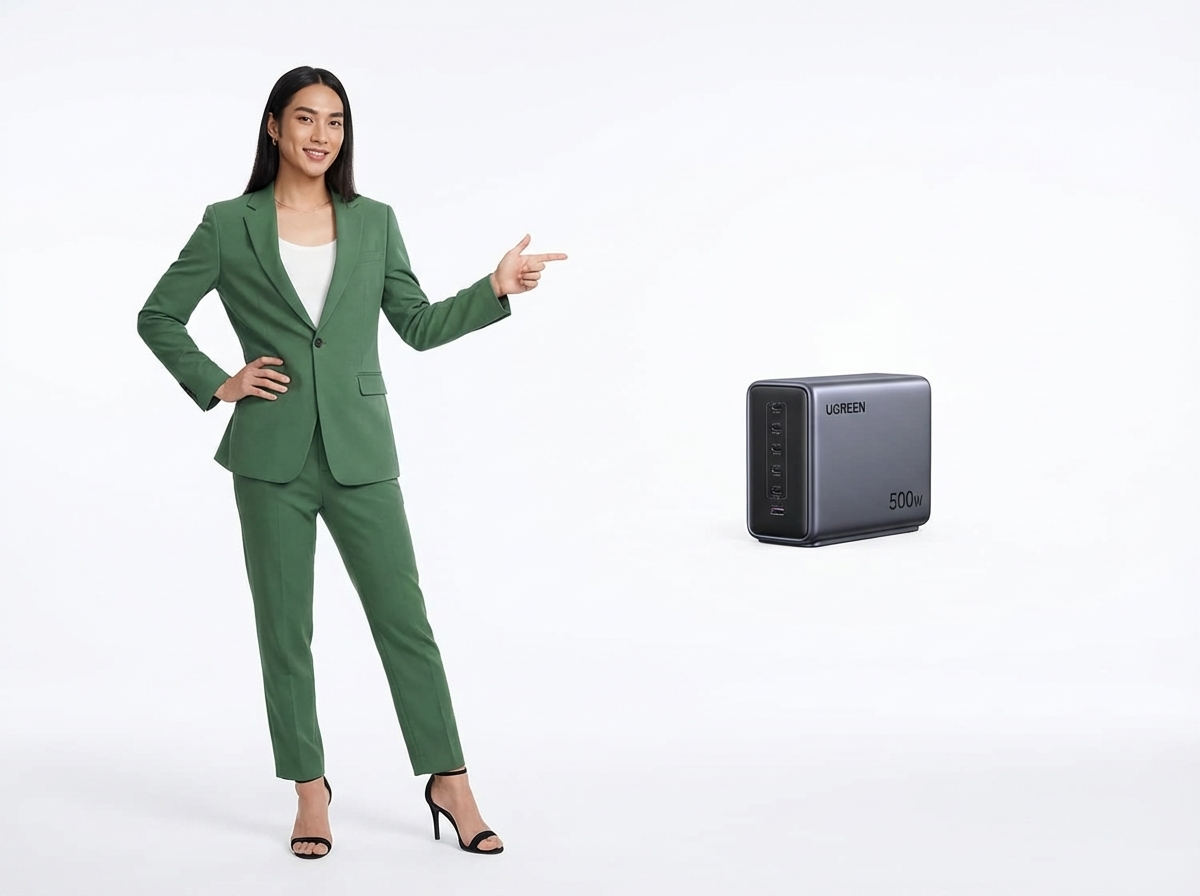
A single charging station to power every device on your desk is the ultimate goal for many tech enthusiasts. The UGREEN Nexode 500W charger steps into this arena with a staggering total power output, promising to eliminate the clutter of individual power bricks for laptops, phones, and accessories. This review analyzes available specifications and aggregated user feedback to determine if this high-wattage hub is a truly smart solution or simply a case of brute-force power with significant drawbacks.
Key Takeaways
- Best For: Power users who need to charge numerous high-draw devices simultaneously and have a specific need for a single 240W PD 3.1 port for a compatible laptop.
- Pros: Massive 500W total output, consolidates charging for up to 6 devices, includes a future-proof 240W USB-C PD 3.1 port.
- Cons: Lacks intelligent, dynamic power distribution between ports. Relies on a fixed power allocation system. Community feedback raises concerns about long-term reliability and thermal management based on experiences with similar models.
- Bottom Line: While the UGREEN Nexode 500W's power specifications are impressive on paper, critical user feedback points to a lack of sophisticated power management and potential reliability issues. It's a powerful tool, but one that may not be as 'smart' as its price tag suggests, warranting a cautious approach for prospective buyers.
Product Overview
The Nexode 500W is a desktop charging station designed to be a centralized power source for a modern tech setup. It leverages GaNInfinity technology to pack a high power output into a relatively compact form factor.
- Total Wattage: 500W
- Total USB Ports: 6
- Hardware Interface: USB
- Maximum Single-Port Output: 240W (via one PD 3.1 USB-C port)
- Input Voltage: 230 Volts
- Colour: Grey
- Manufacturer: Ugreen Group Limited
- Compatibility: Officially compatible with a wide range of devices, including MacBook Pro/Air, iPhone series, Samsung Galaxy S series, Google Pixel, iPad, and the Steam Deck.
Features & Performance
Analysis of the charger's capabilities reveals a focus on raw power over intelligent operation.
Design and Build Quality
The charger comes in a standard grey desktop hub format, designed to remain stationary on a desk. While the external design is functional, community discussions raise questions about the internal build quality and long-term durability. Reports on the previous 300W model, a close relative, mention instances of individual ports failing after several months of use, suggesting potential quality control concerns that could carry over to this 500W version.
Power Distribution Performance
This is the most significant point of contention among informed users. According to detailed community analysis, the Nexode 500W does not feature intelligent or dynamic power distribution. Instead of reallocating power on the fly as devices complete their charging cycles, it relies on a rigid, preset power allocation table. This 'dumb' logic means that if a laptop on a high-power port finishes charging, that power is not efficiently redirected to other ports that may need it. For a premium, high-wattage device, this lack of sophistication is a major functional limitation.
Thermal Management
Concerns have been raised about the charger's ability to manage heat under a full 500W load. Skepticism stems from thermal throttling issues reported with the preceding 300W model. While extensive third-party thermal testing results for the 500W model were not available in the provided research, potential buyers should be aware that managing heat effectively in such a power-dense unit is a critical engineering challenge.
Connectivity and Port Breakdown
The station features 6 USB ports, offering broad connectivity. Its standout feature is a single USB-C port that supports the PD 3.1 standard for up to 240W Extended Power Range (EPR) output. This makes it capable of charging the most demanding laptops at full speed. However, the fact that only one of the six ports supports this modern standard is seen as a limitation for a device with a 500W total budget.
Pros & Cons
Based on aggregated specifications and user feedback:
Pros:
- Extremely High Total Power: 500W is enough to charge multiple laptops and devices at high speed simultaneously.
- Single-Brick Solution: Consolidates up to six separate chargers into one unit, reducing desk clutter.
- Future-Proof 240W Port: The inclusion of a PD 3.1 EPR port ensures compatibility with next-generation high-power laptops.
- No Reported Electrical Grounding Issues: One user report noted that, unlike a competing Anker charger, the UGREEN unit did not cause electrical shock sensations on a MacBook chassis.
Cons:
- 'Dumb' Power Allocation: Lacks dynamic power sharing, using a rigid and inefficient preset system.
- Potential Reliability Issues: User reports on similar UGREEN models cite port failures over time, raising concerns about long-term durability.
- Thermal Performance Concerns: The precedent set by previous models suggests it may struggle with heat management under sustained heavy loads.
- Only One 240W Port: The headline feature is limited to a single port, while the other ports share the remaining power budget.
Real-World Experience & Aggregated User Insights
Insights from the tech community provide a critical layer of context to the manufacturer's specifications.
-
YouTube Reviewer Insights: Multiple tech channels have conducted performance and stress tests on the UGREEN Nexode 500W. However, detailed transcripts of their findings were not available for this analysis, making it difficult to cite specific performance metrics from these video reviews.
-
Reddit Community Discussions: Users on platforms like r/UsbCHardware express significant disappointment with the charger's technical implementation. The primary complaint is the 'dumb' power distribution, which is considered unacceptable for a premium device at this price point. Commenters noted that they expect fully dynamic power sharing, which this charger fails to deliver. Skepticism about its thermal stability and long-term reliability is also a recurring theme, often referencing issues with its 300W predecessor.
Pricing & Value
High-wattage GaN chargers command a premium price. Given the technical limitations identified by the user community—specifically the lack of intelligent power distribution—the value proposition of the Nexode 500W is questionable. Users expect cutting-edge features for a top-tier price, and a brute-force approach to power allocation does not meet that expectation.
👉 See today's low price on Amazon
Who Should Buy It / Who Should Avoid It
-
Who Should Buy It: Individuals who have a specific, constant need for a single 240W power source and need to power several other lower-draw devices simultaneously. If your workflow involves a static set of devices and you value total wattage over flexible power management, this could fit your niche use case.
-
Who Should Avoid It: Users seeking a truly 'smart' charging hub that intelligently distributes power to where it's needed most. If you are concerned about long-term product reliability or potential thermal issues under heavy, continuous use, you should look at alternatives.
Final Verdict
The UGREEN Nexode 500W USB-C charger is a product of immense potential defined by significant compromise. It successfully delivers a headline-grabbing 500W of total power and a 240W port for the most demanding machines. However, it is fundamentally held back by its unsophisticated power management system and community-reported concerns over reliability. It provides a large quantity of power but lacks the intelligent quality that tech-savvy early adopters expect from a flagship charging solution.
FAQs
-
How many devices can the UGREEN Nexode 500W charge at once? It can charge up to 6 devices simultaneously via its USB ports.
-
Does it have intelligent power distribution? Based on community feedback, it does not. It appears to use a preset power allocation table rather than dynamically distributing power based on device needs.
-
What is the maximum power output from a single port? The device features one USB-C port capable of 240W output, compliant with the PD 3.1 standard.
-
Are there any known reliability issues? Some users of similar high-wattage UGREEN chargers have reported port failures over time. The long-term reliability of this specific 500W model has not yet been widely established in long-term reviews.
Related Trends
View All Trends
Review: CRUA 49" Curved Gaming Monitor Ultra-Wide 32:10 DFHD 3840x1080, 165Hz/144Hz, 1500R, AMD FreeSync, 120% sRGB, HDR10, Height Adjustable, HDMI 2.0 * 2 & DP *2, Wall Mountable - Black

Review: NINJA Foodi FlexDrawer Air Fryer, Dual Zone with Removable Divider, Large 10.4L Drawer, 7-in-1, Double Zone, Oil Free, Dishwasher Safe Nonstick Parts, Black AF500EU

Philips Air Fryer Series 5000 Double Basket with Steaming - 9L, RapidAir Plus, 19 Cooking Modes, 90% Less Fat, AirSteam, Steam Cleaning, Accessories (NA550/00)

Review: Kärcher K 3 Power Control High Pressure Washer, Pressure: Max. 120 Bar, Flow Rate: 380 l/h, Surface: 25 m²/h, Water Filter, Weight: 4.4 kg, Gun and High Pressure Hose, Rotabuse, Lance

Ninja BN801 Professional Plus Kitchen System, 1400 WP, 5 Functions for Smoothies, Chopping, Dough & More with Auto IQ, 72-oz.* Blender Pitcher, 64-oz. Processor Bowl, (2) 24-oz. To-Go Cups, Grey